







Search Results for: South Africa Coffee
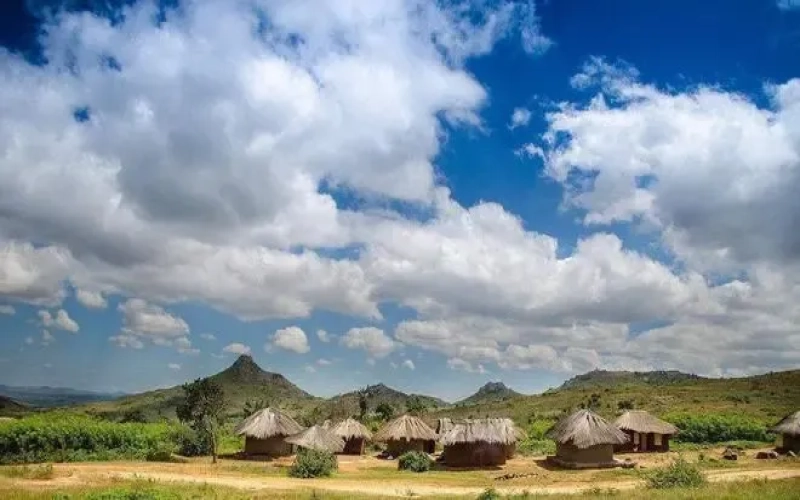
A Panoramic Scan of African Coffee-Producing Regions: An Overview of Malawi, South Africa, Uganda, and Niche Producing Countries
The African continent is blessed with unique highland, volcanic, and river resources, and its coffee-producing regions are widely distributed. In addition to Kenya and Ethiopia, there are several other producing countries worthy of attention. This article focuses on three countries—Malawi, South Africa, and Uganda—and outlines the rise and fall of their respective coffee industries, growing conditions, variety distribution, and flavor characteristics, while also briefly introducing producing regions such as Zambia, Côte d'Ivoire, Zimbabwe, and Angola, which have smaller output but are gradually recovering. The article also retains recommendation information related to the Front Street brand, making it easy for coffee enthusiasts to gain a comprehensive understanding of the diversity of African coffee. [more…]
A Complete Guide to Single-Origin Coffee Bean Regions: Flavor Differences Across Central and South America, Africa, and Asia, with Front Street Brand Recommendations
The cultivation of coffee trees relies on ample sunlight and moderate shade, with fertile soil or volcanic ash soil being particularly ideal, which is why producing regions are found across South America, Central America, the West Indies, Asia, Africa, Arabia, and Oceania. Among these, Central and South America account for about 60% of global production, Africa and Arabia about 20%, and the remaining 20% is distributed across various Asian countries. Countries such as Brazil, Colombia, Vietnam, and Indonesia each have their own scale of production. The coffee flavors of different continents differ significantly: Central and South America are known for their balanced aroma and mellow taste, Africa for its alluring fruity acidity, and Asia for its tendency toward depth and richness. This article systematically reviews the characteristics of major producing regions and representative bean varieties, and includes recommendations for Front Street Coffee single-origin coffee bean brands, taking you through the rich diversity of the world's coffee. [more…]
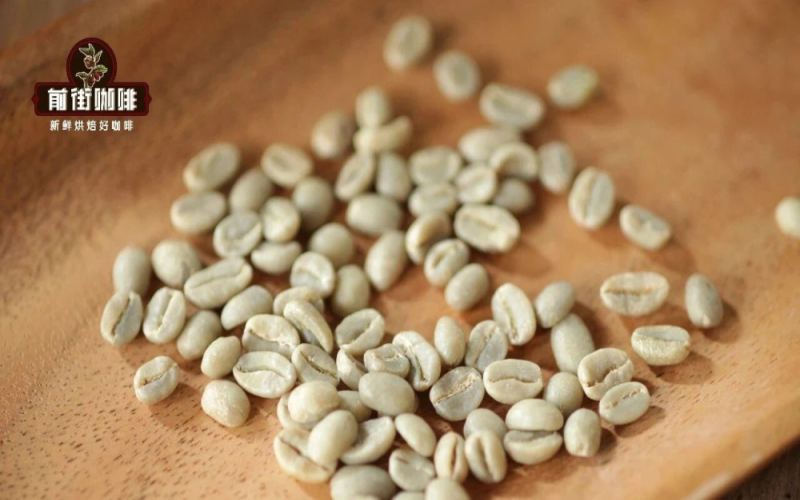
Coffee Region Flavors | What are the flavor characteristics of coffee from Africa, Central and South America, Asia, and the islands? What are some beginner-friendly, high-value specialty pour-over coffee beans you would recommend?
Front Street Coffee Introduction: Coffee flavor characteristics of Africa, Central and South America, Asia, and islands. African bean flavors: Among them, Ethiopia's Front Street Huakui coffee and Front Street Yirgacheffe coffee have relatively pronounced orange and floral aromas, with a bright and transparent flavor; Kenya's Front Street Little Tomato coffee has a rich berry aroma, as well as dark plum juice and [more…]

Which country ranks first in tea production in Africa? A detailed look at the flavors and health benefits of nine distinctive African teas
Africa is not only famous for coffee—its tea production is equally noteworthy. Kenya ranks as the world's third-largest tea producer and the leading tea-producing country in Africa. From anthocyanin-rich Kenyan purple tea to South Africa's unique rooibos and honeybush teas, and from North African mint tea to Ethiopian spiced tea, diverse tea traditions have emerged across the continent. This article profiles nine teas produced in Africa, covering their origins, production methods, flavor characteristics, and health benefits, helping coffee lovers expand their understanding of African beverages. Front Street Coffee will also recommend African teas worth trying. [more…]

Decoding the Flavors of Coffee's Three Major Producing Regions: Representative Beans from Africa, Latin America, and Asia, Plus Front Street Coffee's Curated Recommendations
Global coffee cultivation is concentrated in the Coffee Belt between 15 and 25 degrees north and south latitude, covering more than 50 countries and forming three major producing regions: Africa, Latin America, and Asia. Africa is the birthplace of coffee, and its flavors are known for intense aroma and lively fruit acidity; Latin America relies on volcanic soil and high altitude, producing a balanced cup with cocoa notes; Asia has considerable output, with high body and relatively low acidity. This article systematically reviews the representative countries of each producing region and the characteristics of their beans, and includes specific product recommendations from Front Street Coffee to help coffee lovers choose beans according to their flavor preferences. [more…]
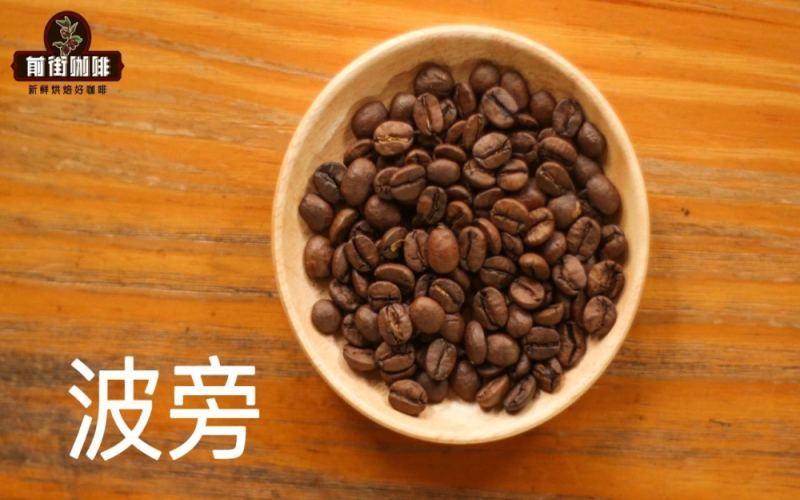
A Complete Guide to Bourbon Coffee Varieties: From Red, Yellow, Orange, and Pink to Striped Bourbon — Origins, Flavors, and Prices
Bourbon is one of the oldest Arabica varieties. After spreading from Yemen to Réunion Island, it made its way to East Africa and Central and South America, and today it has evolved into a rich array of branches under the microclimates of different countries, including Red, Yellow, Orange, Pink, and even Striped Bourbon. Bourbon of different colors and origins shows quite noticeable differences in the cup: some are known for nutty chocolate notes and low-acid smoothness, some highlight citrus acidity and floral aromas, and others combine tropical fruit sweetness with a clean mouthfeel. This article sorts out the origins and spread of Bourbon, introduces the characteristics and representative producing regions of each mutant one by one, and, combined with several Bourbon products from Front Street Coffee, provides specific flavor descriptions and brewing references to help coffee lovers build a complete understanding of the Bourbon family. [more…]
A Comprehensive Guide to Bourbon Coffee Varieties: Flavor and the Story of Their Spread from Red, Yellow, Orange, and Pink to Striped Bourbon
Bourbon is one of the oldest varieties of Arabica, spreading from Réunion Island to Africa and Central and South America, where it evolved under local microclimates into a range of color variants including red, yellow, orange, pink, and striped. This article traces the origins of the Bourbon variety and its missionary-driven spread, details the discovery history, growing characteristics, and flavor differences of each color of Bourbon, and presents the brewing performance of Front Street Coffee's Bourbon beans such as Brazil Cerrado and Brazil Queen. Whether you are a newcomer just getting into specialty coffee or an enthusiast eager to deepen your knowledge of varieties, you will find here a complete overview of Bourbon coffee and a tasting reference. [more…]
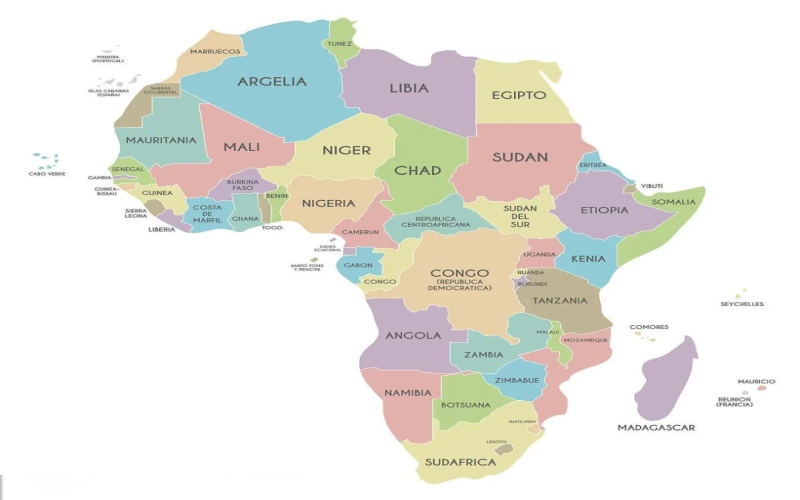
Flavor Characteristics and Grading System of Tanzanian Coffee: From the Kilimanjaro Region to Balance in the Cup
Tanzania is located in East Africa and, with its high-altitude mountains, volcanic soil, and abundant water sources, is one of the important coffee-producing countries in East Africa, long known as the "coffee gentleman." This article will start from Tanzania's geographical and climatic conditions, sort through its nine major coffee-producing regions, review the development of the coffee industry from the colonial period to after independence, and focus on introducing the growing advantages of the producing areas around Mount Kilimanjaro. At the same time, the article will also explain Tanzania's coffee grading method based on bean size, and, in combination with Front Street Coffee's Kilimanjaro Typica washed beans, present its soft flavor interwoven with citrus, berries, honey, and nuts. [more…]

A Comprehensive Analysis of African Coffee Regions: Varieties, Flavors, and Processing Methods in Ethiopia, Kenya, and Beyond
Africa is an important region that cannot be overlooked on the global coffee map. From Ethiopia and Kenya in East Africa to Rwanda and Burundi in Central Africa, and further to Tanzania and Malawi in the south, this continent has produced high-quality coffees of diverse styles. African coffees are generally known for their rich aromas and lively fruity acidity, with natural and washed processing being the main methods. Due to drought and water shortages, the beans are often uneven in size, yet this has also given rise to a unique flavor signature. This article will systematically sort out the cultivation systems, representative varieties, grading systems, and flavor characteristics of major African producing countries, and will also include brewing suggestions and flavor descriptions for several African beans from Front Street Coffee, taking you through a comprehensive understanding of the charm of African coffee. [more…]
From Ethiopia to the World: The Journey of Coffee's Spread and an Analysis of Typica and Bourbon Varieties
Where exactly does coffee originate? After years of investigation by botanists and coffee experts, Ethiopia in Africa has been confirmed as the birthplace of coffee. To this day, a large number of wild coffee trees still grow in the local rainforests, and their fruit has a unique flavor. With the footsteps of human civilization, coffee gradually spread throughout the world, from Europe's first coffee house in the 17th century, to colonial plantations in the Netherlands, France, Britain, and other countries, and then to widespread cultivation in South America, Hawaii, Africa, and Asia. The history of coffee's spread is magnificent. At the same time, Typica and Bourbon, as the oldest coffee varieties, have also attracted much attention for their characteristics. This article guides you through this history and helps you understand Front Street Coffee's interpretation of these classic varieties. [more…]

Flavor Characteristics of Major Coffee Regions Around the World: A Guide to Tasting Profiles and Mouthfeel from Africa to the Americas
Even different plots within the same estate can produce coffees with distinct flavors, let alone major regions spanning continents. The three great specialty coffee belts—Asia, Africa, and Central & South America—nurture vastly different flavor profile characteristics due to terroir differences: Ethiopia's floral and citrus notes, Indonesia's rich herbal undertones, and Central America's balanced chocolate character, each with its own following. Before deciding to put a coffee on the shelf, Front Street Coffee repeatedly roasts and cups samples from each region, selecting the most representative lots before recommending them to consumers. This article systematically organizes the flavor characteristics and taste descriptions of major coffee-producing countries worldwide, covering Ethiopia and Kenya in Africa; Indonesia and India in Asia; Guatemala, Costa Rica, and Panama in Central America; and Colombia and Brazil in South America, providing coffee lovers with a complete flavor profile reference. [more…]

Flavor comparison of Africa's five major coffee-producing countries: An analysis of varieties and taste characteristics in producing regions such as Ethiopia and Kenya
Africa, as the continent where coffee originated, has given birth to many world-famous coffee-producing countries. Ethiopia is known for the floral and citrus notes of Yirgacheffe, while Kenya has earned a reputation as the connoisseur's cup with its distinct cherry tomato flavor and bright acidity. Tanzania, Rwanda, and Burundi each have their own characteristics—some soft and sweet, some slender and silky, and some wild and intense. Front Street Coffee has selected five well-known African coffee beans, analyzing one by one each country's unique coffee charm and differences, from regional terroir, varieties, and processing to flavor and mouthfeel, taking you to appreciate the diverse character of African coffee. [more…]

A Flavor Comparison of Specialty Coffee Regions in Africa and the Americas: Exploring the Terroir in the Cup from Kenya to Panama
The charm of specialty coffee largely stems from differences in terroir across producing regions—sunlight, rainfall, soil, altitude, and processing methods all leave their mark in the cup. Coffee trees thrive in the coffee belt between 25 degrees north and south latitude, with an ideal growing altitude of mostly 1,000 to 2,000 meters, an average annual temperature of 15 to 25°C, and annual rainfall of 1,500 to 2,000 millimeters. The rainfall pattern must also match the flowering cycle. In addition, well-drained, fertile soil rich in volcanic ash is required. The two major producing regions of Africa and the Americas, because of their different regional terroirs, present strikingly different flavor profiles: African coffees are known for intense aroma and bright fruity acidity, while American coffees are known for balance and a combination of acidity, sweetness, and aroma. This article will guide you through the flavor characteristics and representative beans of the two major producing regions, while retaining the related product recommendations from the Front Street brand. [more…]
Exploring Tanzania's Mbinga Region: The Geographic and Human Advantages of an Emerging Southern Specialty Coffee Origin
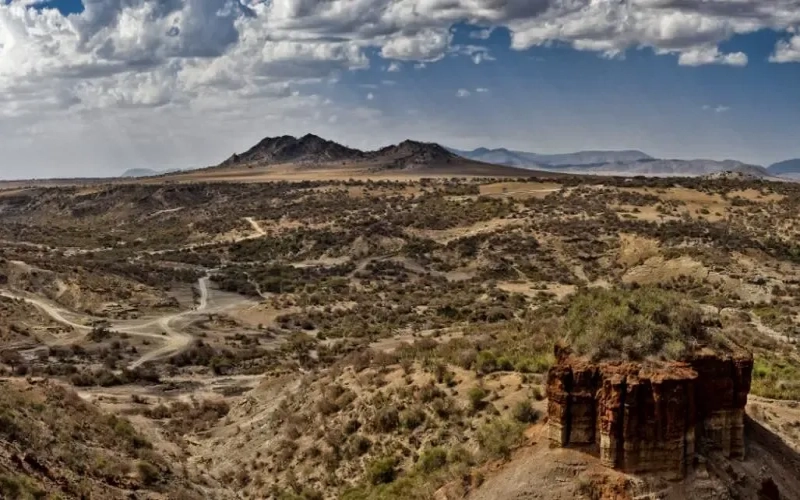
The African continent is not only the birthplace of coffee, but also home to many outstanding coffee-producing countries. As an important origin in East Africa, Tanzania has earned its place in the specialty coffee world with its unique geographical environment and cooperative model. Beyond the well-known Kilimanjaro region, Mbeya in the south is gradually gaining attention. This article will guide you through an overview of Tanzanian coffee and take a deeper look at the geographical advantages, growing conditions, and unique features of the local cooperatives in the Mbeya region, while also sharing the Tanzanian coffee flavor experience recommended by Front Street Coffee. [more…]

A Complete Analysis of African Coffee-Producing Countries: Varieties, Flavors of Ethiopia and Kenya, and Front Street Recommendations
Africa, as the birthplace of coffee, is home to many well-known producing countries such as Ethiopia and Kenya, and is famous for its rich aroma and captivating fruity acidity. This article systematically reviews the variety distribution, cultivation models, processing methods, and flavor characteristics of African coffee, with a focus on introducing Ethiopia's nine major specialty producing regions, Kenya's six major producing regions, and the coffee characteristics of countries such as Burundi, Rwanda, and Tanzania. At the same time, it retains Front Street Coffee's detailed brewing suggestions and flavor descriptions for beans such as Yirgacheffe, Huakui, Kenyan Little Tomato, Rwandan Gaseke, and Tanzanian Kilimanjaro, providing a comprehensive reference for coffee enthusiasts. [more…]
Flavor Analysis of Major Coffee-Producing Countries in the Americas: Coffee Characteristics of Brazil, Colombia, Costa Rica, and Panama
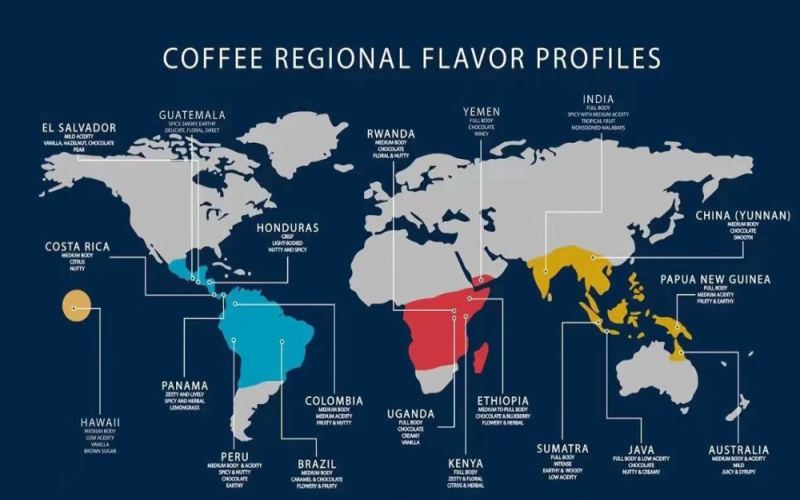
The Americas are one of the most important producing regions on the global coffee map, with Brazil, Colombia, Costa Rica, and Panama each possessing distinct terroir characteristics. This article will guide you through the distribution patterns of the coffee belt and the production landscape, while offering an in-depth analysis of the balanced flavors, processing methods, and representative producing regions of Central and South American coffee. From Brazil's pulped natural Cerrado to Panama's Hacienda La Esmeralda Geisha, from Colombia's washed Caturra from Huila to Costa Rica's Tarrazú with its citrusy acidity, the article also features a selection of specialty coffees from Front Street Coffee corresponding to these regions, helping coffee enthusiasts find their ideal choice based on flavor preferences. [more…]

How to Choose Coffee Beans for Pour-Over? A Guide to Flavor Differences Across the Three Major Regions from Africa to Central and South America, with Single-Origin Recommendations for Beginners
Want to get into pour-over coffee, but overwhelmed by the dazzling array of single-origin beans? Actually, choosing beans isn't hard—the key is to first understand the flavor profiles of the three major producing regions: African beans are known for bright acidity and floral notes, Central and South American beans have a balanced mouthfeel with nutty and chocolatey tones, while Asian beans are mellow, sweet-bitter, and low in acidity. This article follows that thread, outlining the flavor differences and brewing points of representative beans sold by Front Street Coffee, such as Ethiopia Yirgacheffe, Kenya Little Tomato, Indonesia Mandheling, Colombia Huila, and Brazil Red Bourbon, to help those new to pour-over lock in a direction based on their own taste preferences and gradually transition from entry-level options to estate-grade single origins. [more…]
A Complete Guide to Bourbon Coffee Varieties: Flavor and Spread from Red, Yellow, Orange, and Pink to Striped Bourbon
Bourbon is one of the oldest varieties in the Arabica family, spreading from Yemen to the world via Réunion Island, and then diversifying into colorful variants—red, yellow, orange, pink, and even striped—in the soils of the Americas and Africa. This article traces the dispersal routes of the Bourbon variety, the origins and characteristics of its colorful mutations, and presents the flavor differences of Bourbon coffee from various origins. Whether you are a beginner pour-over enthusiast or a seasoned connoisseur looking for your next everyday bean, you will find interesting knowledge about Bourbon here, along with Front Street Coffee's corresponding bean recommendations. [more…]
Flavor Comparison of Coffee Beans from the World's Three Major Producing Regions: An Analysis of the Taste Characteristics of Africa, Latin America, and Asia
The coffee belt spans both sides of the equator, and more than fifty countries around the world produce coffee, but the regions that truly form the flavor map are mainly concentrated in three major areas: Africa, Latin America, and Asia. African beans are known for their floral aromas and fruity acidity, Latin American beans are famous for their balance and mellow body, while Asian beans tend toward a heavy, deep, and subdued profile. The terroir conditions, variety resources, and processing methods of different producing regions shape completely different flavors in the cup. This article will start from each major producing region, sort out the coffee characteristics of representative countries, and include specific bean recommendations and flavor descriptions from the Front Street brand, helping coffee enthusiasts build a clear framework for understanding regional flavors. [more…]
Bourbon Coffee Flavor Guide: From Red Bourbon to Mibirizi Bourbon, Exploring the Terroir and Tasting Characteristics of a Century-Old Variety
Bourbon is one of the oldest varieties in the Arabica family, sharing equal fame with Typica. It got its name after being transplanted from Yemen Mocha round beans to Bourbon Island, and thereafter spread across Brazil, Central and South America, and various parts of Africa. It includes distinctions based on fruit color, such as Red Bourbon and Yellow Bourbon, as well as a unique branch spread by French missionaries in Africa. Bourbon is renowned for its wine-like acidity, sweet aftertaste, and nutty-chocolate notes. This article systematically reviews the origin and spread of Bourbon, explains in detail the flavor differences among Red Bourbon, Yellow Bourbon, and French Mission Bourbon, and combines the roasting parameters and tasting records of three Bourbon beans from Front Street Coffee to help readers fully understand this classic variety's performance under different terroirs. [more…]